Anti-Corruption Laws Review
Review and amendment of anti-corruption legislation and related integrity provisions to strengthen Liberia's legal framework for accountability.
Where this project sits in the reform process
Current recorded stage: Legislative Consideration. The pathway above is an indicative public view of the reform cycle; individual projects may follow different sequences.
Overview
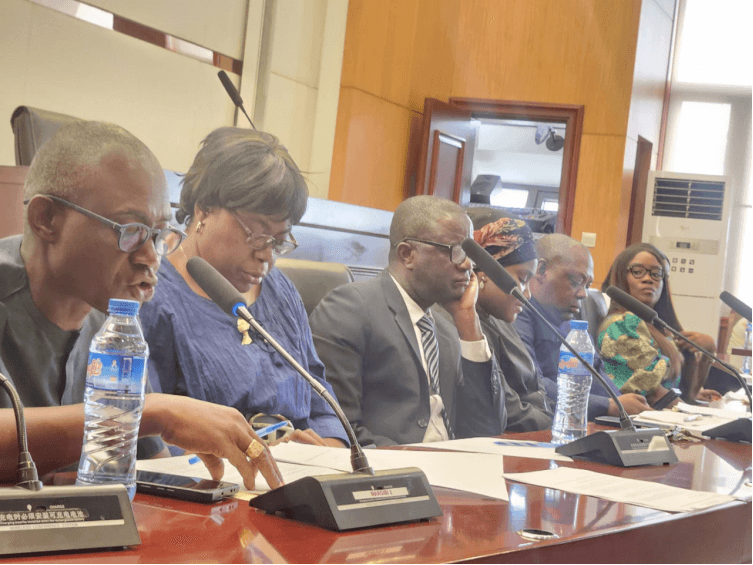
The Law Reform Commission convened review and validation work on anti-corruption laws in 2025 following stakeholder dialogue on legal provisions affecting the fight against corruption. Proposed amendments later became the subject of legislative and institutional scrutiny in 2026.
Project scope
- Area of law
- Criminal Justice
- Geographic scope
- National
- People affected
- Public officials; anti-corruption institutions; justice-sector actors; civil society; citizens
- Commenced
- 1 April 2025
- Public participation
- See published consultations and project updates
Issue, objectives and review questions
The issueWhy reform is being consideredGaps, ambiguities and constitutional questions in existing anti corruption legislation can weaken enforcement, create institutional conflict and…
Gaps, ambiguities and constitutional questions in existing anti-corruption legislation can weaken enforcement, create institutional conflict and reduce legal certainty in the fight against corruption.
ObjectivesWhat the reform seeks to achieveIdentify legal gaps; strengthen accountability mechanisms; align reform proposals with constitutional safeguards and Liberia's anti corruption…
Identify legal gaps; strengthen accountability mechanisms; align reform proposals with constitutional safeguards and Liberia's anti-corruption obligations; and support a coherent legislative framework for prevention, investigation and enforcement.
Key questionsQuestions guiding the reviewWhich provisions impede effective anti corruption enforcement? How should illicit enrichment and evidentiary rules be structured consistently…
Which provisions impede effective anti-corruption enforcement? How should illicit enrichment and evidentiary rules be structured consistently with constitutional protections? How should institutional mandates be clarified?
Consultations
Project outcome
Stakeholder validation of proposed amendments took place in June 2025. The proposals were subsequently considered in the legislative process, where constitutional and evidentiary issues were debated.
Verified reform update (April 2026): IMF Country Report No. 26/98 records collaboration among the Liberia Anti-Corruption Commission, Office of the Ombudsman and Law Reform Commission on proposed Code of Conduct amendments concerning restrictions on publication of public officials' asset declarations. The measure remains proposed reform unless and until its legislative status is formally verified.